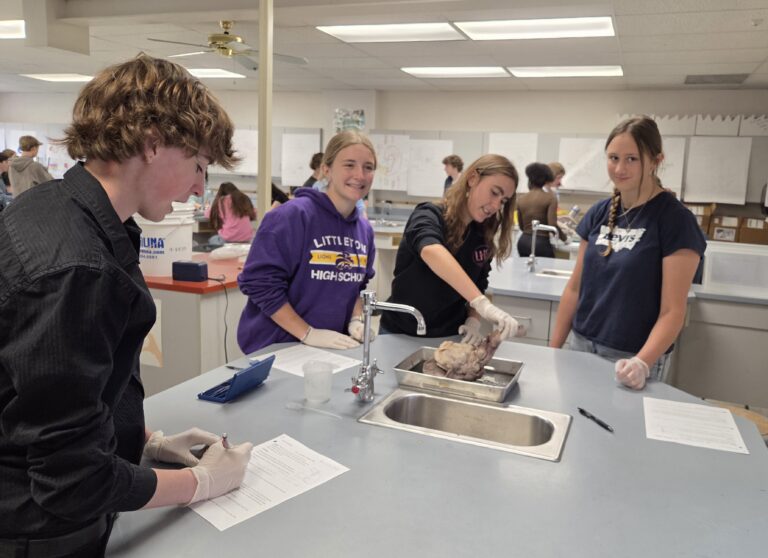

Dissections are a constantly debated topic among students and educators, whether it’s due to concerns about ethics and morality or simply disgust at the processes in general. Part of Ms. Megan Mitchell’s IB Biology course-load this year includes a sheep heart and lung dissection.
A lot of the discomfort related to dissections is usually based on disgust about the fact that it was an animal, which tends to put people off.
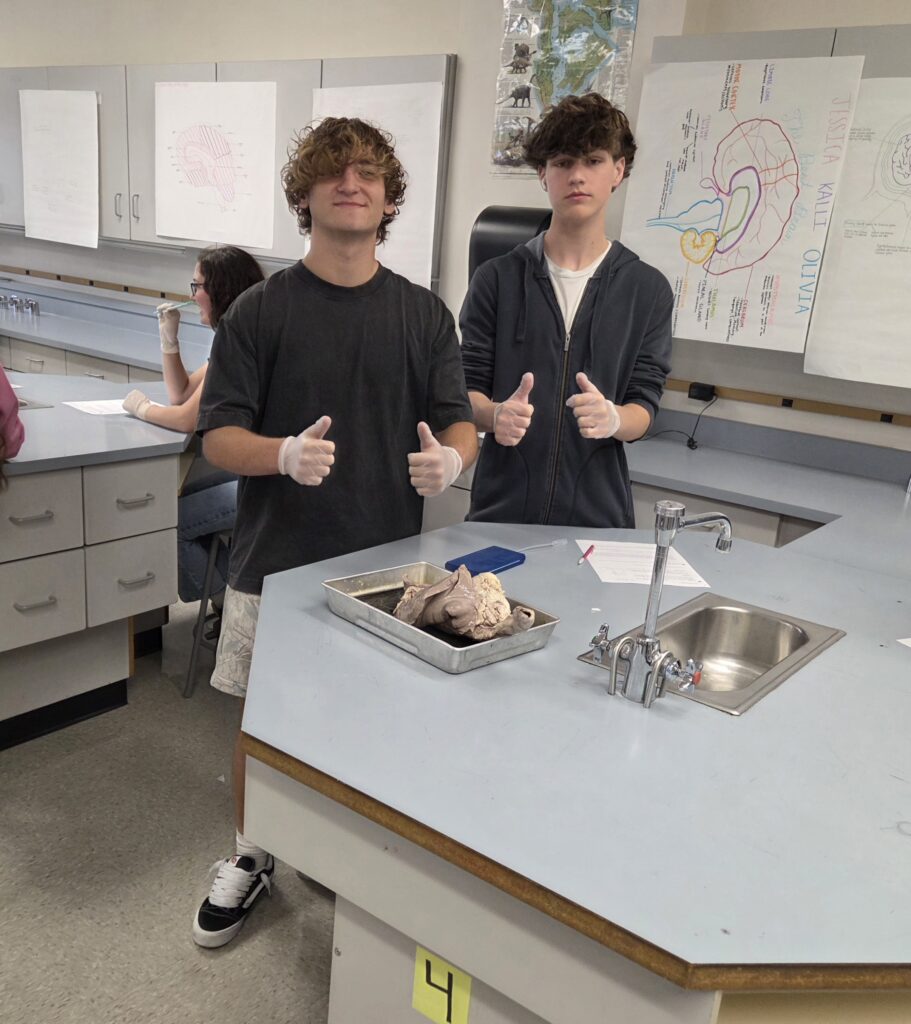
“Usually, the issue is with disgust, but most people get over it in about five minutes. Their brain is scared of something new and creepy, but then they get into it and think that it is actually cool,” Mitchell said, when asked about why kids tend to be hesitant about these labs.
Despite disgust being the primary reason that children may find issues in these dissections, the ethical and moral effects of it all can be a concern for students as well. “I have never had a student opt out for ethical reasons, though I have had a student ask about it this year. As an alternative, there is an online video of someone performing the dissection, then answering some questions,” Mitchell said.
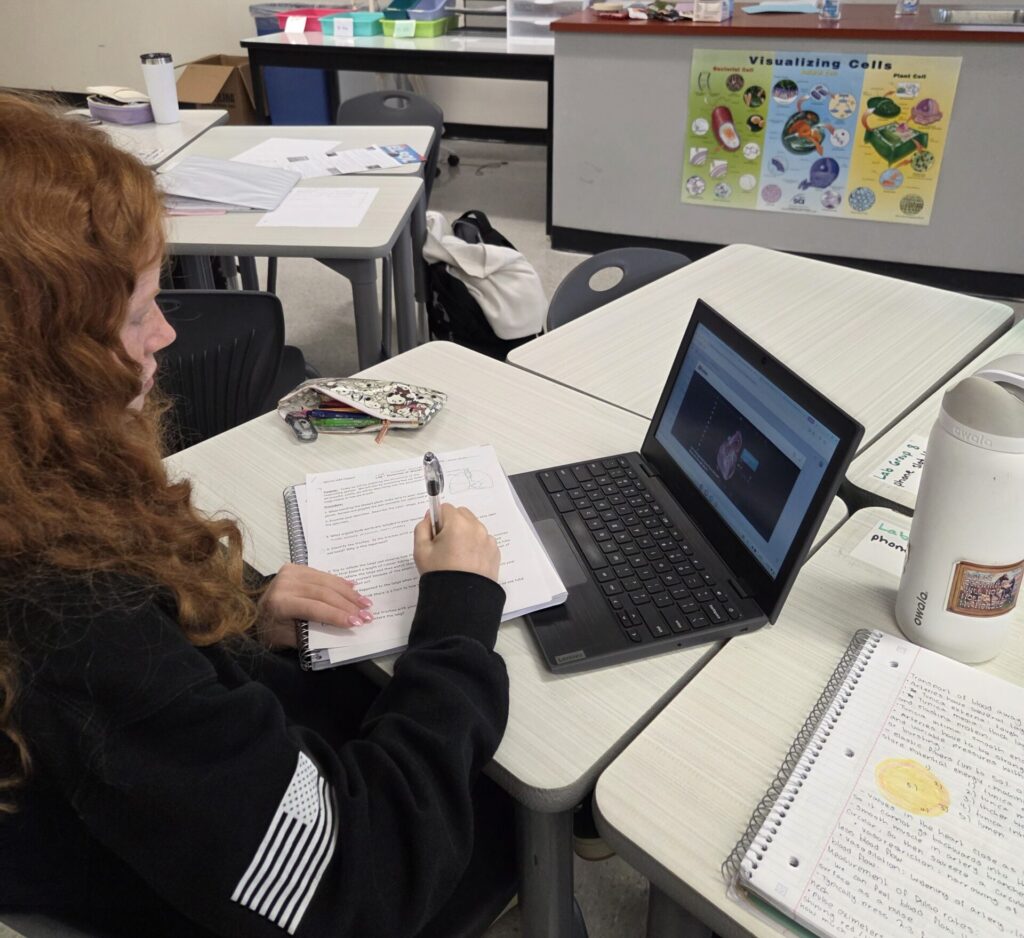
“There is a program through PETA that provides virtual dissections of a bunch of different animals and systems, but in exchange for getting the free materials, you have to pledge not to use animals in your class for however long you are using them. I didn’t particularly like the trade-off, because I still think there is value to dissections,” stated Mitchell.
The fact that there are corporations that provide alternatives to students who request them is very impressive. We discussed the fact that PETA does require the usage of no animal products for the foreseeable future, should you use the free program, which goes to extremes, and prevents kids who are interested in the dissections from being able to do them.
Many educators like to hold these dissections because they prove to be a beneficial way for students to apply the things they learn in-class to actual animals, giving a more hands-on approach.
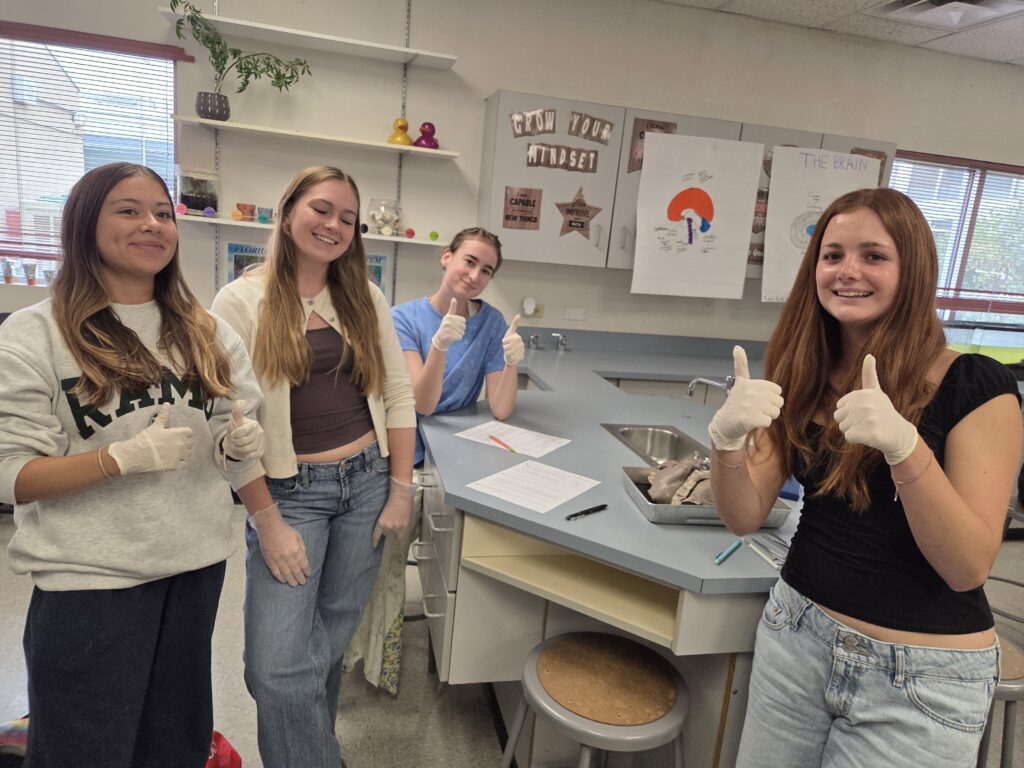
“Getting to see something hands-on, with your own eyes, experience it, and really feel what those tissues feel like, what they look like, and be able to model how they work, it’s really valuable to the people who learn well hands-on,” Mitchell said.
Many science teachers who hold dissection labs like to use them because they offer kids who may need visual examples a method to learn, not leaving them behind.
Dissections also tend to be questioned when thinking about their impact on education because animal biology is different between species.
“We are dissecting sheep hearts and lungs, which are really good proxies for humans; they are similarly sized, if not slightly bigger, which helps us see things more easily. They do have different amounts of lobes in the lungs, due to the size, which we address. Mammalian bodies are usually pretty similar across the board,” Mitchell says. While the argument that dissections of animals are not exact comparisons to people, they offer a good approximation, while also giving a perspective on other species.
A very pressing argument made by environmentalists when discussing dissections is the where the dissection materials were sourced from, and whether or not it was ethically correct. This topic, however, truly depends on the teacher conducting these dissections, for they are in control of where they receive the animals used in these studies.
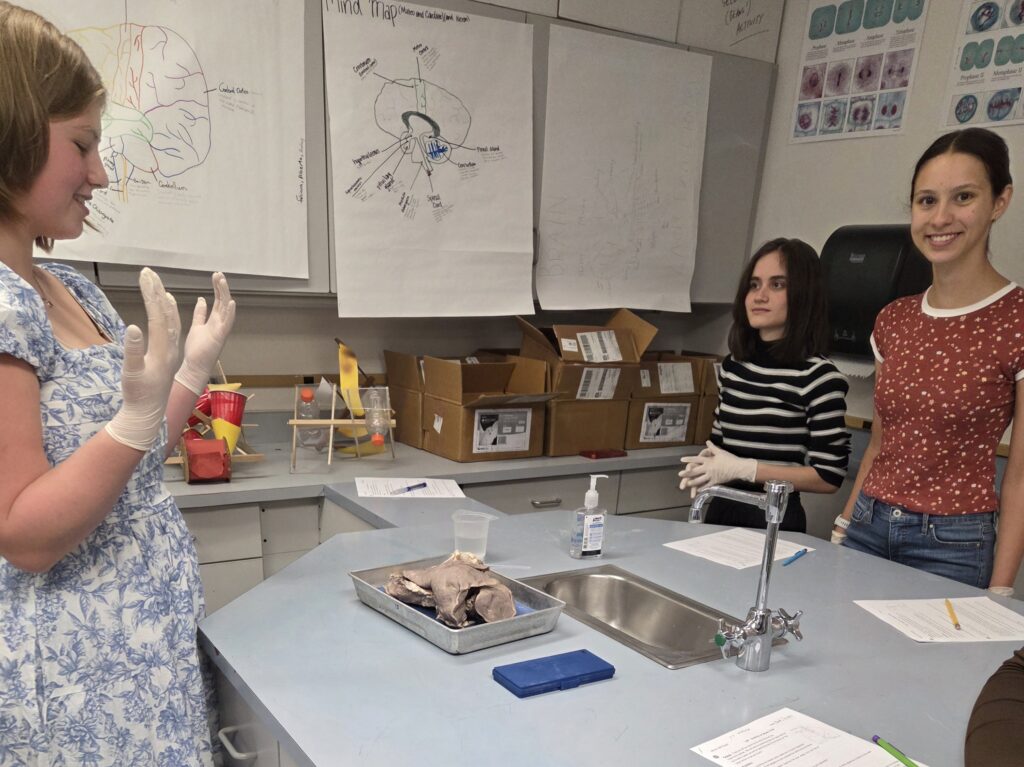
“Last year, we were able to get sheep hearts and lungs from the slaughterhouse because they were just spare parts, so it was an ethical way to do it, and they were fresh so we could touch them with our bare hands,” Mitchell states.
However, not every class is lucky enough to have such positive experiences with dissections, and other measures must be taken to ensure that the lab can be conducted with ethical sourcing.
“This year, we are sourcing from Carolina Biological Supplies, which, as far as I am aware, sources its materials from animals that are being killed for meat anyways. I have been a vegetarian for 13 years, and I found a way to be ok with that, either because I know the sourcing of the materials, or I think that it is a really valuable experience,” Mitchell emphasizes.
The sourcing of these materials is truly dependent on the research that teachers are willing to do, in order to source these animals in a more ethical way.
“I try to do my research, like I would never do a cat dissection because I have no idea where they are getting those cats, sometimes it is from euthanasia at shelters, but it may also just be street cats,” Mitchell states. She also spoke about how a previous dissection of sea stars was cancelled due to a sickness that had been spreading among them, and Mitchell stated that she personally didn’t feel comfortable taking more out of the ocean if they were already scarce.
Dissections: an amazing learning opportunity, if not a disgusting one. These labs truly do help provide students with opportunities to learn in more active ways. The ability to be able to provide options for people who are uncomfortable with them depends purely on the teacher, along with all other factors of these interactive opportunities.